
Is NMES Technology For You?
Written by Arthur Marsh - Published on May 15, 2026
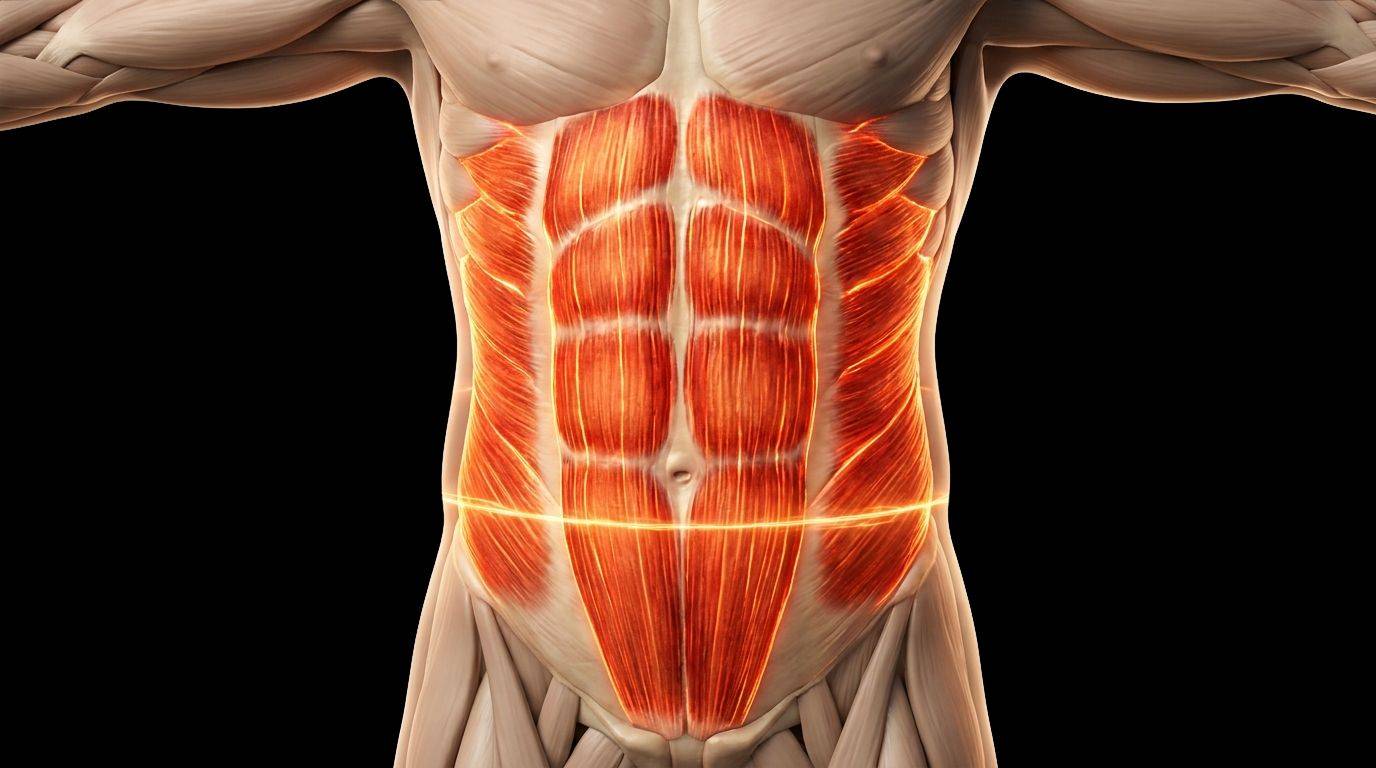
What is NMES Technology?
"Is NMES the same thing as EMS, or something different?"
"Does electrical stimulation actually build muscle, or is it just marketing?"
"Why did the cheap ab belt I bought online do nothing?"
The confusion is fair. The market is flooded with knockoff devices that buzz the skin without producing real muscle contractions, and most marketing copy uses "EMS," "NMES," and "muscle stimulator" as if they mean the same thing — they don't. This article breaks down what NMES technology actually is, how it differs from consumer-grade EMS, what the science says about its effect on muscle, and how to tell whether it's worth using.
Stronger Body, Lean Muscle and Visible Definition in 20 Minutes a Day.
What is the difference between NMES and EMS?
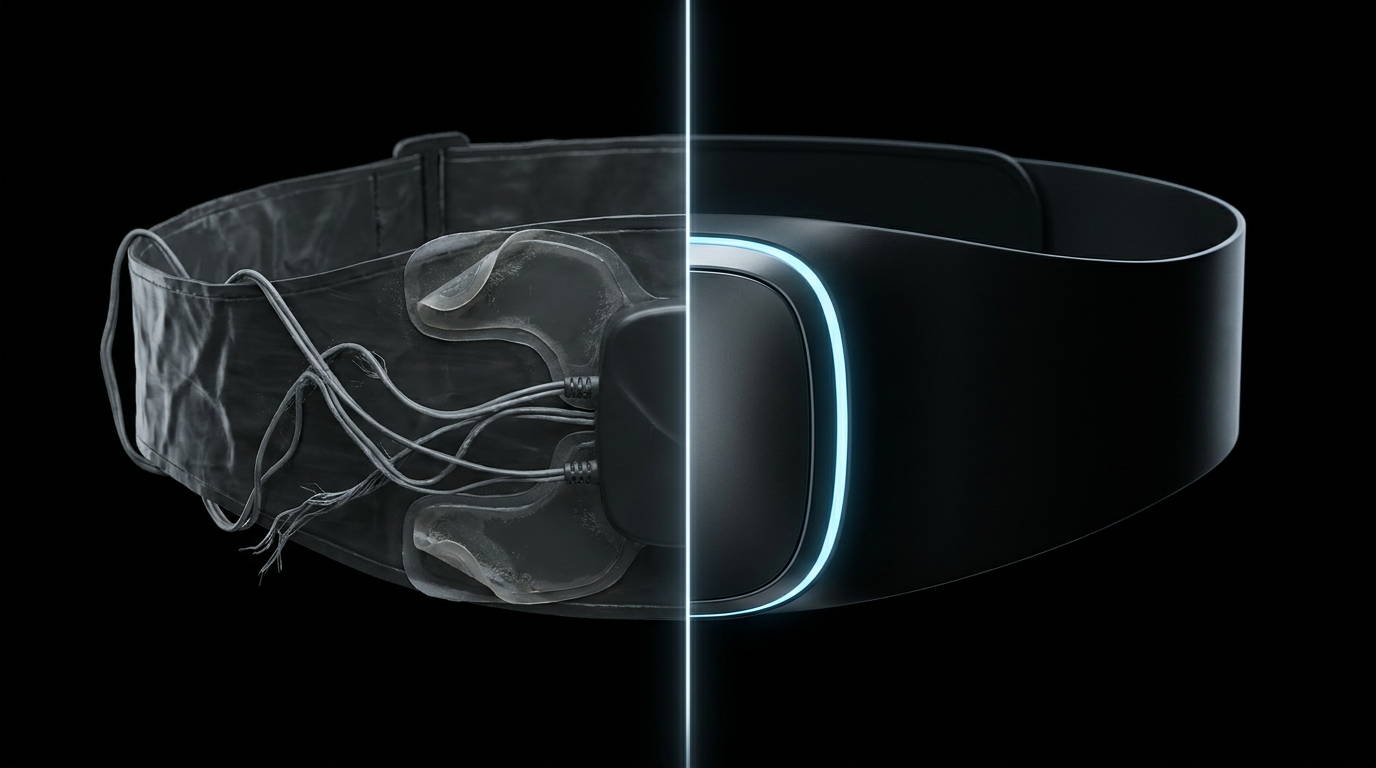
NMES and EMS use the same underlying mechanism — electrical current that forces a muscle contraction — but the names signal different contexts and quality standards. NMES (Neuromuscular Electrical Stimulation) is the clinical term used in physical therapy, rehab, and sports science research, where waveform, frequency, and pulse width are tightly controlled to recruit motor neurons effectively. EMS is the broader consumer-fitness label, applied loosely to everything from research-grade trainers to $30 ab belts that barely tingle the skin. In practice, the distinction matters less than the device itself: a serious NMES unit produces strong, deep, involuntary contractions, while most cheap EMS gadgets produce a buzzing surface sensation that does almost nothing for muscle output.
How is NMES technology meant to be used?
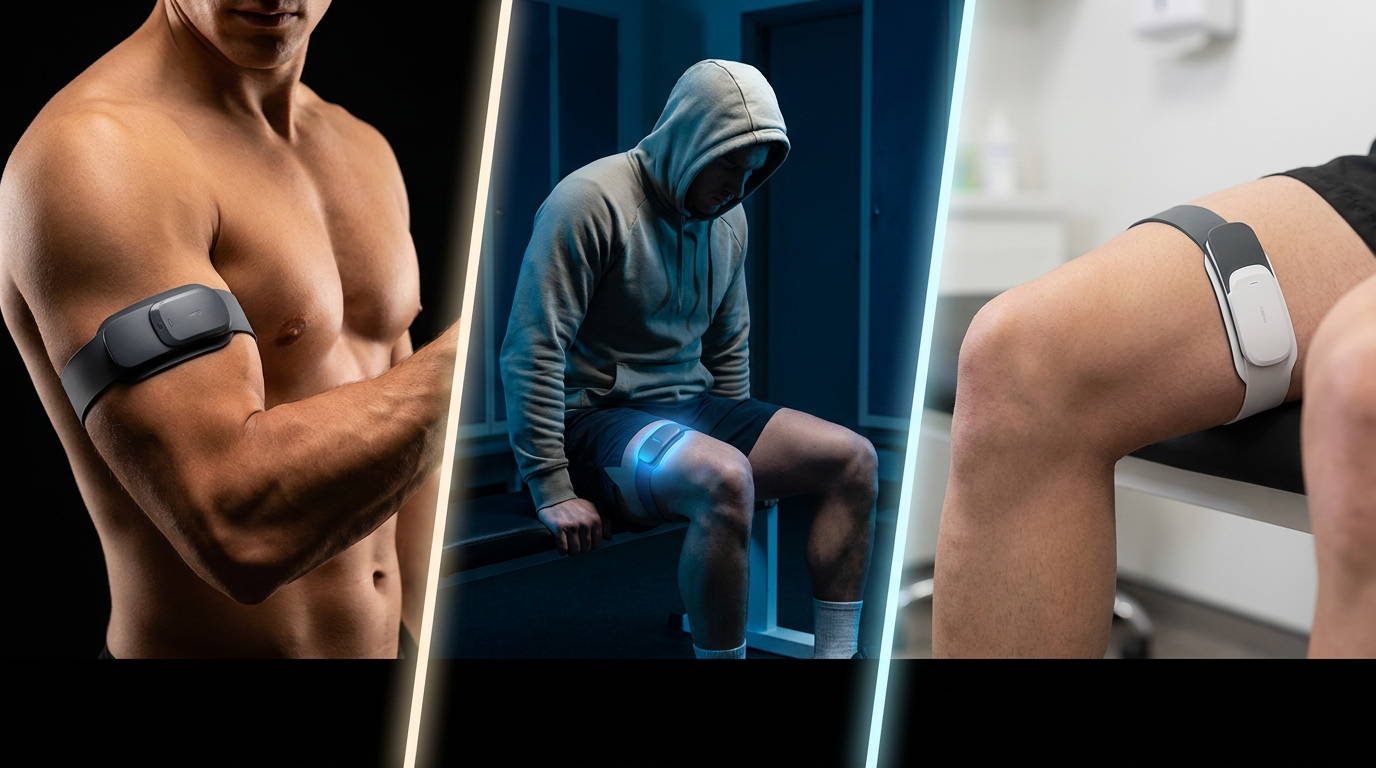
NMES is applied via electrodes placed directly over the target muscle's belly or motor point, with intensity ramped high enough to produce strong, visible, involuntary contractions — not just a surface tingle. Sessions typically run 20–30 minutes, 3–5 times per week, with the same muscle group given recovery time between sessions, just like resistance training. The use cases break down into a few clear categories: rehab and re-activation after injury or surgery, atrophy prevention during forced inactivity, strength supplementation stacked on top of normal training, active recovery to drive blood flow without adding load, and targeted hypertrophy for muscles that are hard to recruit voluntarily — lower abs, glute medius, vastus medialis. The reason most people get nothing from cheap consumer EMS devices is that they cannot push intensity high enough to actually fatigue the muscle; without that fatigue, no adaptation occurs. Used correctly, NMES is a training stimulus, not a passive treatment.
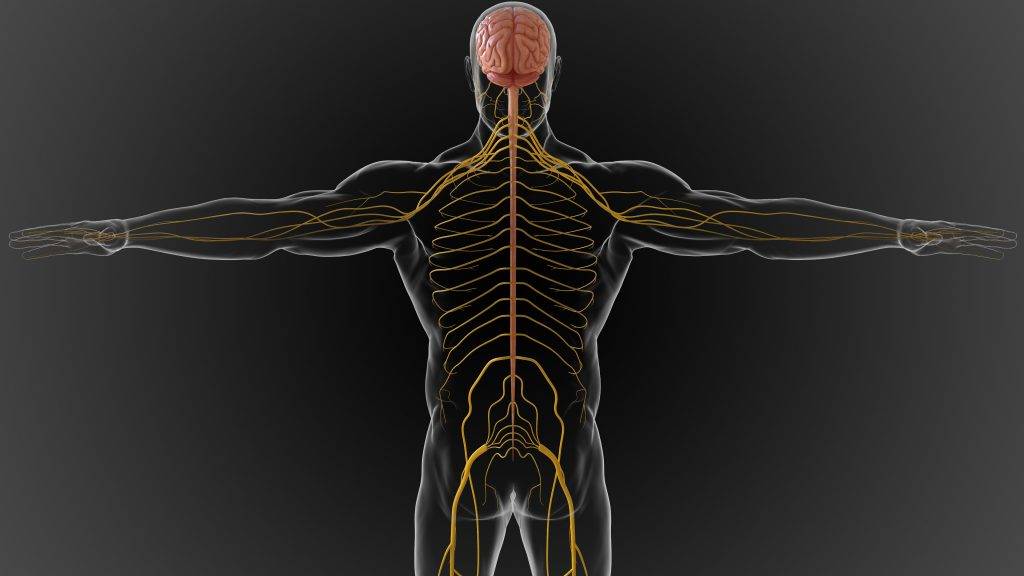
What does NMES actually do to your muscles?
NMES sends electrical impulses through the skin to the motor neurons that control muscle fibers, forcing those fibers to contract involuntarily. The key difference from a normal voluntary contraction is recruitment order. When you lift a weight, your nervous system recruits smaller, slow-twitch motor units first, only calling in the larger fast-twitch fibers once load or fatigue demands it. NMES bypasses that order — it can recruit fast-twitch fibers from the very first contraction, including fibers that rarely fire in everyday training. The result is a deeper, more complete muscle activation than voluntary effort alone produces, which is particularly useful for muscles that are hard to fully recruit with traditional lifts or for fibers that conventional training tends to leave under-stimulated.
What are the proven benefits of NMES technology?
NMES has documented benefits in three areas: strength, recovery, and rehabilitation. In strength research, NMES used alongside resistance training has been shown to increase maximal force output and cross-sectional muscle area beyond training alone, with meaningful effects in already-trained populations who have less room to grow voluntarily. In recovery, low-frequency protocols increase blood flow and reduce delayed-onset muscle soreness without adding mechanical load to the body. In clinical settings, NMES is a standard tool for preventing atrophy during immobilization, re-activating muscle after surgery (particularly the quads following ACL reconstruction), and rebuilding strength in patients who cannot yet train voluntarily. It is not a replacement for training — it is a multiplier on top of it.

Who should use NMES technology?
NMES makes sense for a few specific profiles: lifters who have hit a plateau and need additional stimulus on stubborn muscle groups, athletes adding training volume without adding joint or systemic fatigue, anyone rehabbing an injury where voluntary contraction is limited, and time-constrained people who want a real training effect in 20–30 minutes on days they can't get to the gym. It also has clear value for advanced trainees chasing isolation work — lower abs, glute medius, vastus medialis, calves — that resist voluntary recruitment. It is less useful for total beginners who haven't built any baseline strength yet; voluntary training will produce faster results until those foundations are in place. The honest summary: NMES is a supplemental tool, best used by people already training, not a shortcut for people who aren't.
How can you tell if an NMES device is actually effective?
A real NMES device meets a specific technical bar that almost no consumer ab belt clears. Look for these signals before you trust a device:
- FDA clearance as a Class II medical device — not a generic "fitness gadget" listing
- High adjustable intensity capable of producing strong, involuntary contractions, not just surface tingling
- Controlled waveform and pulse width appropriate for deep muscle activation (typically biphasic, 200–400 microseconds)
- Quality conductive electrodes that maintain contact and distribute current evenly across the muscle belly
- Multiple frequency ranges that support both strength protocols (50–80 Hz) and recovery protocols (1–10 Hz)
- Clear safety features, including gradual intensity ramping and automatic shutoff
Rule of thumb: If you can wear it under a shirt at work and barely notice it, it isn't doing anything. A real NMES contraction is unmistakable — the muscle locks, visibly bunches, and you cannot voluntarily override it.
How long does it take to see results from NMES?
Results from NMES follow a predictable timeline, but only if the device is capable of producing real contractions and the user is consistent. In the first 1–2 weeks, expect to feel stronger contractions as your nervous system adapts and your tolerance for intensity climbs. Strength and performance gains typically begin showing in 3–4 weeks of regular use, with sessions of 20–30 minutes performed 3–5 times per week. Visible changes in muscle definition or hypertrophy take longer — 6–12 weeks of consistent use combined with normal training, adequate protein, and recovery. Anyone promising visible six-pack results in a week is selling the gadget, not the technology. NMES rewards what every legitimate training tool rewards: real intensity, real consistency, and time.
Where should you start if you want real results from NMES technology?
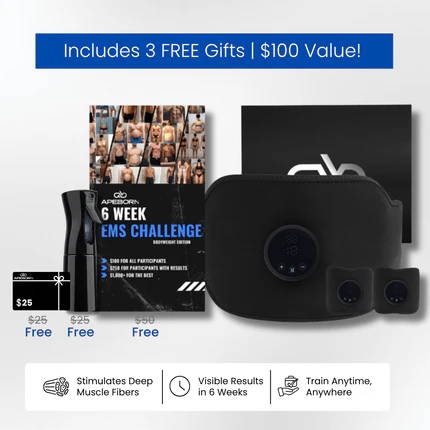
If you've read this far, you know what real NMES requires — and you know why most consumer devices don't deliver it. The NextGen Ultra Stimulator was built to meet exactly the bar laid out in the previous section: a medical-grade NMES device engineered for real, involuntary muscle contractions, not surface buzzing. It uses the same category of technology applied in clinical and athletic settings, packaged for at-home use.
The NextGen Ultra Stimulator delivers:
- FDA clearance as a Class II medical device, built to clinical safety and performance standards
- High adjustable intensity capable of producing strong, involuntary contractions that actually fatigue the muscle
- Controlled biphasic waveform with optimized pulse width for deep motor neuron recruitment
- Premium conductive gel pads that maintain skin contact and distribute current evenly across the muscle belly
- Multiple training modes covering both strength protocols and lower-frequency active recovery
- Gradual intensity ramping and automatic shutoff for safe, repeatable session control
- 20–30 minute session structure that slots into a normal training week
If you've spent money on EMS gadgets that did nothing, the Ultra Stimulator is the standard those products were imitating.
Explore the full specs and order yours →
Hear From Happy NextGen Users
First impressions are GREAT. I'm addicted.
"I have been using this twice a day for almost 2 weeks and already see a noticeable difference. My stomach is a lot tighter, more defined and flatter. You can feel your abs pulsating when you use it so I know it’s activating them."

David Alaba

Verified Buyer


Everyone wants to know my secret, the toning is crazy.
“The results are insane... I can't put in words how this has impacted my everyday life. Activities are easier, I feel lighter and more flexible. Just wow. Just subscribed to the replacement gels and can't wait to continue my journey. Abs here I come!"

Mark Stuart
Verified Buyer
Finally found a way to elevate my body with my schedule.
"As someone juggling a busy life, the NextGen Muscle Stimulator was a game-changer. It gave me a way to feel stronger, and build confidence without overwhelming my schedule. I’ve recommended it to all my friends.”

Rayul Mike
Verified Buyer

It really changed my body inside and out.
"I always questioned if I'd ever get back in shape. The NextGen Muscle Stimulator made me see my potential in ways I never imagined. It’s like having a partner that constantly reminds you of your strength and progress."

John Walker
Verified Buyer
Recommended:
★★★★★
4.8 | 1,992 Reviews

Clinically Tested
Strengthen Muscles
Tone & Sculpt Abs
Workout on Autopilot
✔️ 60-Day Money-Back Guarantee
Hurry up! Sale ends once the timer hits zero